
Blockchain and NFTs in the Metaverse
Blockchain technology underpins the economic infrastructure of the metaverse, ensuring transparency, security, and decentralization. At its core, blockchain provides a ledger that records transactions and ownership in an immutable and verifiable manner. This becomes particularly crucial in a digital universe where assets are intangible yet valuable.
Non-fungible tokens (NFTs) play a pivotal role in the metaverse economy. These unique digital assets represent ownership of virtual goods, from art and music to real estate and virtual attire. NFTs allow creators to monetize their digital creations and users to own a piece of the metaverse, providing a sense of scarcity and value in the virtual world. The interoperability of blockchain ensures that these assets can be seamlessly transferred between different metaverse platforms, fostering a dynamic and interconnected digital economy.
Moreover, smart contracts—self-executing contracts with the terms of the agreement directly written into code—facilitate complex transactions and interactions within the metaverse. These contracts can automate various processes, from rental agreements for virtual properties to royalties for digital art, streamlining operations and reducing the need for intermediaries.
VR/AR Interfaces for Metaverse Applications
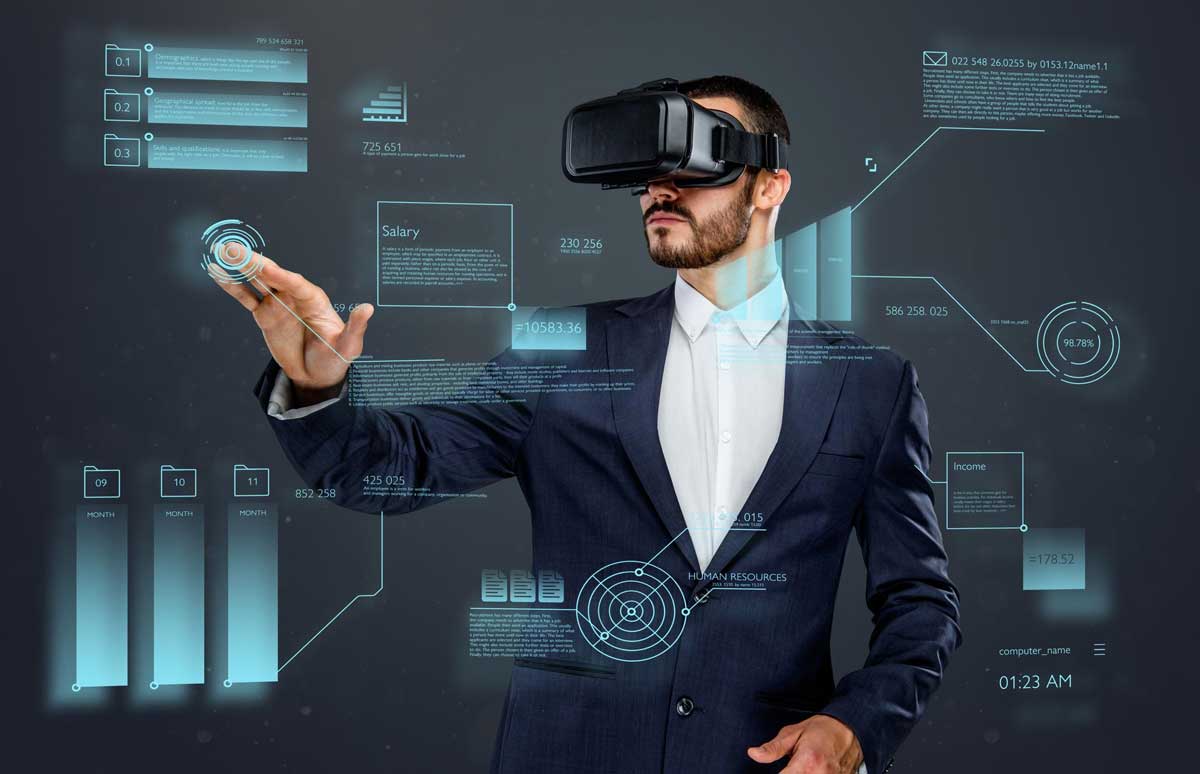
Virtual Reality (VR) and Augmented Reality (AR) serve as the gateways to the metaverse, transforming how we perceive and interact with digital content. VR immerses users in a completely digital environment, blocking out the physical world and replacing it with a computer-generated simulation. High-resolution headsets and spatial audio systems create an all-encompassing experience, where users can explore, interact, and create within a virtual space.
AR, on the other hand, overlays digital elements onto the real world, enhancing our physical surroundings with interactive and contextually relevant information. AR glasses and mobile devices become windows through which the metaverse bleeds into reality, providing a seamless blend of digital and physical interactions. This fusion opens up a myriad of applications, from interactive gaming and virtual meetings to educational experiences and beyond.
The evolution of VR and AR technologies continues to push the boundaries of what is possible. Advances in display resolution, field of view, and latency reduction contribute to more lifelike and responsive experiences. Meanwhile, developments in hand tracking, eye tracking, and voice recognition enable more intuitive and natural interactions, making the metaverse more accessible and engaging.
Economic and Social Implications of the Metaverse
The rise of the metaverse promises to reshape economic and social paradigms, creating opportunities and challenges in equal measure. Economically, the metaverse introduces new markets and business models. Virtual real estate has become a lucrative investment, with users and companies purchasing, developing, and monetizing digital land. Brands and businesses establish virtual storefronts, offering products and services within these digital spaces, thus reaching a global audience without geographical constraints.
The gig economy extends into the metaverse, with creators, developers, and digital artists finding new avenues for income. Virtual events, from concerts to conferences, open up revenue streams while providing unique and engaging experiences for participants. The metaverse also fosters innovation in areas like digital fashion, where virtual clothing and accessories become status symbols and means of self-expression.
Socially, the metaverse has the potential to redefine human interaction. It offers a platform for people to connect, collaborate, and communicate in ways that transcend physical limitations. Virtual communities form around shared interests, providing support networks and fostering a sense of belonging. However, this new frontier also raises concerns about digital divide, privacy, and the psychological impact of prolonged immersion in virtual environments.
conclusion
the metaverse represents a paradigm shift in how we build, interact, and transact in digital spaces. As we venture deeper into this uncharted territory, it is imperative to navigate its complexities with foresight and responsibility, ensuring that the metaverse remains an inclusive, innovative, and impactful addition to our digital landscape.